

The Nature of Luck in Casinos
In the world of casinos, luck is often perceived as a divine or supernatural force that can turn the tide of games, bringing unexpected wins or devastating losses. This notion is deeply embedded in the culture surrounding gambling, where every spin of the slots or roll of the dice is accompanied by a hopeful whisper of good fortune. However, examining luck’s role in casino games reveals a more complex interplay of chance, strategy, and odds that goes beyond mere serendipity. Players frequently engage in rituals or superstitions, believing that certain actions can summon luck, such as wearing a lucky charm or sitting at a specific table, while utilizing popular betting apps to enhance their overall experience. These behaviors add an emotional layer to the gambling experience, shaping how players perceive their chances of winning and losing.
Luck can be seen as an intangible element that provides an emotional boost to players. Many gamblers enter a casino with a mindset that focuses on positive thinking and the belief that they can attract good luck through rituals or simply by selecting certain machines or tables. While this psychological aspect can enhance the gaming experience, it is crucial to remember that the outcome of almost all casino games is determined by mathematical probabilities rather than luck alone. A gambler’s belief in luck may lead them to feel more invested in the outcome, but it can also create a false sense of control that can be detrimental in the long run.
Moreover, the design and mechanics of casino games are specifically tailored to ensure that the house always maintains an edge. Random number generators, return-to-player percentages, and house advantages play pivotal roles in setting the odds against players. While luck may influence momentary outcomes, it cannot overcome the mathematical realities embedded in casino games, making it essential for players to approach gambling with an understanding of these odds rather than relying solely on the hope of luck. This understanding encourages players to make more informed decisions, ultimately leading to a healthier relationship with gambling.
The Role of Skill Versus Luck
In many casino games, the balance of skill and luck varies significantly. For instance, in games like poker, the outcome is heavily influenced by players’ skills in reading opponents, making strategic bets, and understanding the odds of their hands. Here, luck plays a part in the cards dealt, but skilled players often have an advantage over time because they can make informed decisions based on their knowledge and experience. This interplay suggests that while luck may influence individual hands, skill prevails in the long run, emphasizing the importance of practice and strategy in achieving consistent success.
Conversely, in games such as slots or roulette, the outcomes are overwhelmingly determined by chance. The players have little control over the results, and their decisions do not impact the odds. This highlights the stark contrast between games of skill and luck, as players in purely luck-based games must accept the inherent randomness of the outcomes. In these scenarios, luck indeed reigns supreme, and players may find themselves on an emotional rollercoaster, celebrating wins but also facing the harsh reality of losses. Understanding this dynamic can help players set realistic expectations when engaging in purely luck-based games.
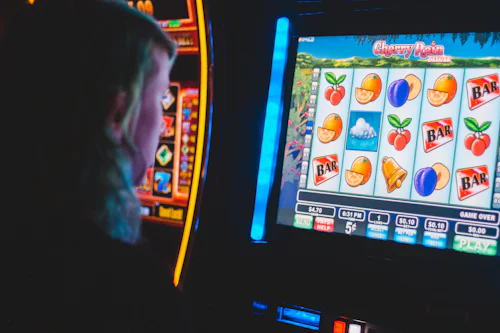
Ultimately, understanding the balance between skill and luck is essential for responsible gambling. Players should recognize which games allow for strategy and skill and which ones rely predominantly on luck. By aligning their expectations with the nature of the game they are playing, gamblers can enjoy their experience while minimizing the risks associated with prolonged losses fueled by unrealistic beliefs in luck. This awareness fosters a more responsible approach to gaming, encouraging players to enjoy the thrill of the game without becoming overly reliant on luck.
The Psychology of Luck in Gambling
The psychology of luck plays a critical role in how players perceive their experiences in a casino environment. Often, gamblers attribute their wins to luck and their losses to bad luck. This attribution can create a skewed perception that overlooks the crucial role of strategy, knowledge, and bankroll management. By believing that luck is the primary factor in their gambling outcomes, players may ignore the importance of making informed decisions, leading to repeated losses and potentially problematic gambling behavior. This cognitive bias can hinder players from recognizing patterns and adjusting their strategies accordingly.
Moreover, the belief in luck can instill a sense of hope and excitement that keeps players returning to the casino, eager to chase that elusive winning streak. This behavior is often reinforced by personal anecdotes of success stories—players who hit the jackpot or come away victorious. These narratives can overshadow the countless stories of those who walk away empty-handed, contributing to the myth that luck is a consistent and controllable force rather than a fleeting aspect of gambling. The allure of those success stories can create an unrealistic expectation of winning, leading players to take unnecessary risks.
Additionally, the influence of cognitive biases, such as the gambler’s fallacy, can skew players’ perspectives on luck. This fallacy is the belief that past outcomes can influence future results. For example, if a slot machine has not paid out in a while, a player might believe it is “due” for a win. Such misconceptions can lead to irrational behavior, as players chase losses and place unrealistic expectations on luck, which ultimately affects their gaming experience and financial well-being. Recognizing these psychological influences is vital for players looking to maintain a balanced approach to gambling.
How Casinos Leverage Luck
Casinos are adept at creating an atmosphere that promotes the idea of luck being a significant factor in gaming outcomes. From the flashing lights of slot machines to the sounds of jingling coins, every aspect of a casino is designed to evoke feelings of excitement and optimism. These sensory experiences can elicit a sense of hope and the belief that luck is just a game away, encouraging players to wager more than they might otherwise consider appropriate. This environment is intentionally crafted to keep players engaged, making them feel that fortune is within reach.
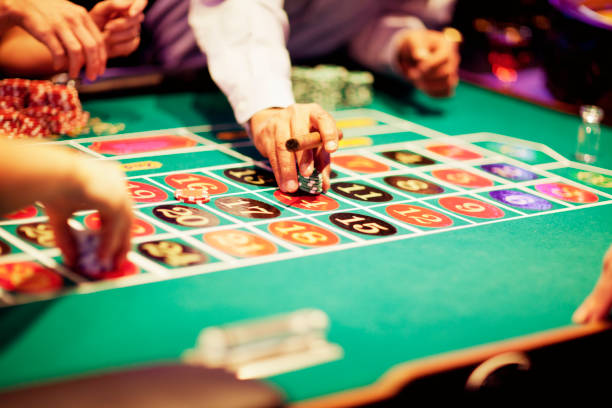
Marketing strategies also play a crucial role in shaping perceptions of luck in casinos. Promotions, such as lucky draws or themed events, capitalize on the allure of chance, enticing players to participate with the promise of potential rewards. By framing their offerings around the concept of luck, casinos effectively tap into the psychological aspects of gambling, making it a captivating experience that transcends mere gameplay. This environment can lead to players spending more time and money in an attempt to harness their luck, often blurring the line between entertainment and excessive gambling.
Furthermore, casinos often implement loyalty programs that reward frequent players. These programs are designed to encourage continued play by reinforcing the idea that regular participation increases the chance for luck to strike. Players may feel a sense of entitlement to wins when they are invested in a casino’s rewards system, further intertwining the concepts of luck and gambling. In this way, casinos capitalize not only on the games themselves but also on the psychology of luck to enhance their profitability. This strategic manipulation of perceptions serves to keep players hopeful and engaged, often at the expense of their financial stability.
Conclusion and Considerations for Responsible Gambling
Understanding the influence of luck in casino outcomes is crucial for anyone engaging in gambling activities. While luck undoubtedly plays a role in the immediate results of games, it is essential to remember the importance of mathematical probabilities, strategies, and responsible gambling practices. Players should enter casinos with clear expectations, acknowledging that while luck can lead to temporary winnings, it should not be the cornerstone of their gaming philosophy. This balanced perspective can help mitigate the emotional highs and lows associated with gambling.
By maintaining a balanced view of luck and incorporating skill and knowledge into their gambling practices, players can enhance their overall experience and mitigate the risks of addiction or financial loss. Additionally, setting limits on spending and time spent playing can help maintain a healthy relationship with gambling, ensuring that it remains an enjoyable pastime rather than a source of stress or regret. Being conscious of one’s gambling habits is essential for fostering a more enjoyable experience.
Ultimately, whether you believe in luck or not, the reality of casino outcomes is governed by a combination of chance, skill, and an understanding of the games. Players who approach gambling with a clear mind, realistic expectations, and a sense of responsibility are more likely to enjoy the experience and walk away satisfied, regardless of the outcome. By recognizing the multifaceted nature of luck and its interplay with skill, gamblers can make more informed choices and foster a healthier engagement with their gaming pursuits.